

The Dance Becomes Clearer
When You Understand What Sits Underneath It.
Kizomba is more than steps. Beneath every movement are a handful of foundations that shape how the dance feels, connects and works.
This page introduces those foundations — not as a training manual, but as a guide to what truly matters.
Strong dancing is rarely about how many movements you know.
It is usually about how well you understand the things underneath them.
Timing. Weight transfer. Connection. Posture. Lead and follow. Movement quality. Musical awareness. Adaptability.
TIMING · WEIGHT TRANSFER · CONNECTION · POSTURE · LEAD & FOLLOW · MOVEMENT QUALITY · MUSICAL AWARENESS · ADAPTABILITY
The more clearly these foundations are understood, the more everything else begins to make sense.
Timing.
Timing is the relationship between your movement and the music.
A dancer can know many movements, but if those movements do not sit comfortably within the rhythm, the dance can still feel disconnected.
Good timing helps movement feel intentional rather than rushed, late or forced.
Movement should feel connected to the music — not separate from it.
Weight Transfer.
Almost every step in Kizomba depends on where the dancer's weight actually is.
Control over weight transfer affects balance, direction, connection and the ability to move smoothly with another person.
When weight is unclear, movement often becomes unclear too.
Control starts with knowing where your body is.
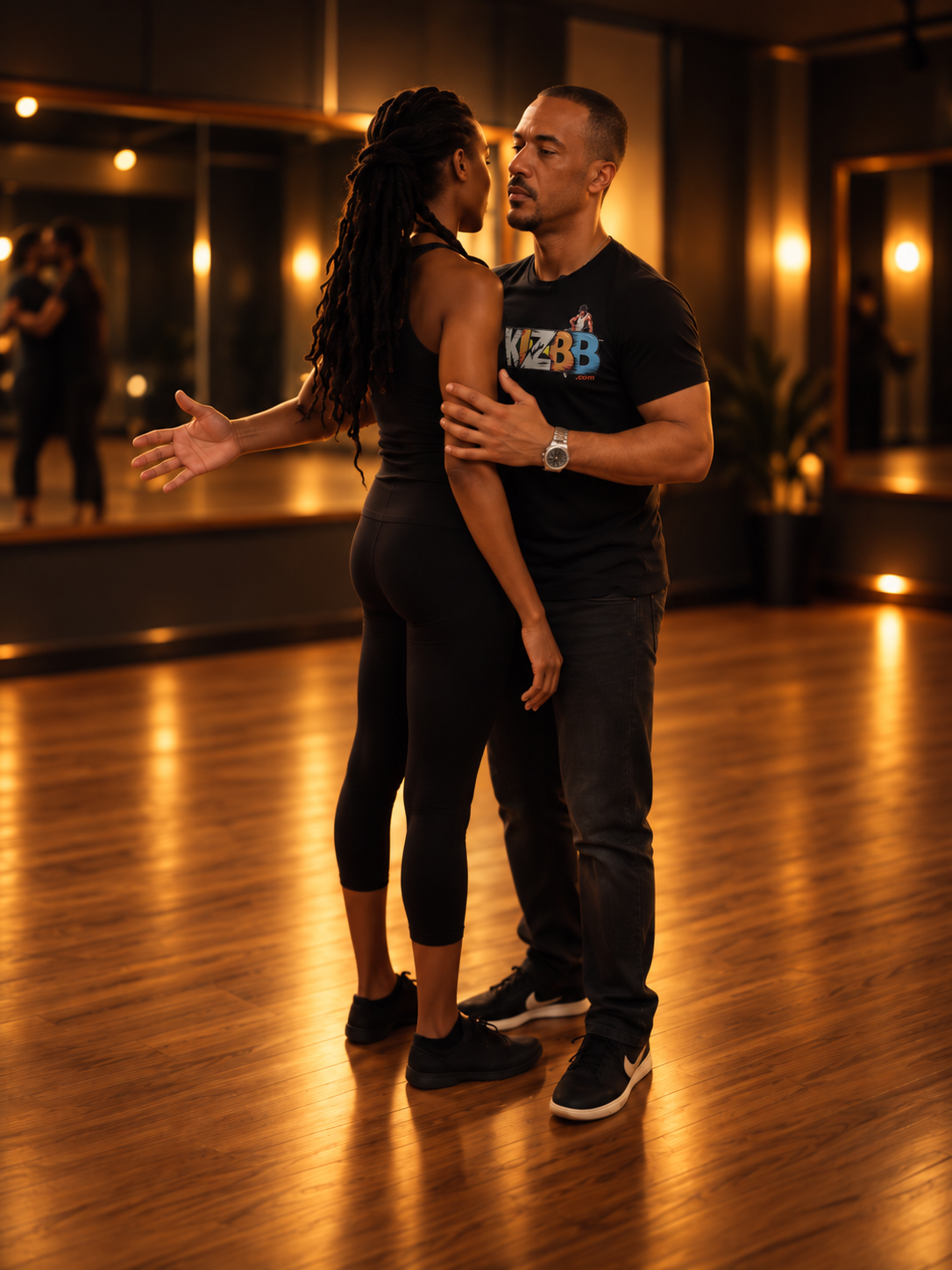
Connection.
Kizomba is a partner dance, which means movement is not created by one person alone.
Connection is the shared communication that allows two people to move together.
It should create clarity, not force.
The goal is not to overpower your partner or guess what is happening next.
Good connection makes communication feel natural.
Posture & Balance.
How you carry your body affects almost everything else.
Posture influences balance, movement quality, connection and control.
Good posture does not mean stiffness.
It means creating a stable structure that still allows the body to move naturally.
Stability should support movement — not restrict it.
Lead & Follow.
Lead and follow is not about one person controlling another.
It is a form of communication.
The lead creates clear information.
The follow receives, interprets and responds to that information.
When the communication is unclear, the dance becomes harder for both people.
Clear communication creates better movement.
Movement Quality.
Two dancers can perform the same movement and make it look completely different.
That difference often comes from control, timing, balance, connection and intention.
Movement quality is not simply about making something look impressive.
It is about how cleanly, comfortably and intentionally the movement is performed.
The move is only part of the story. How you move matters too.
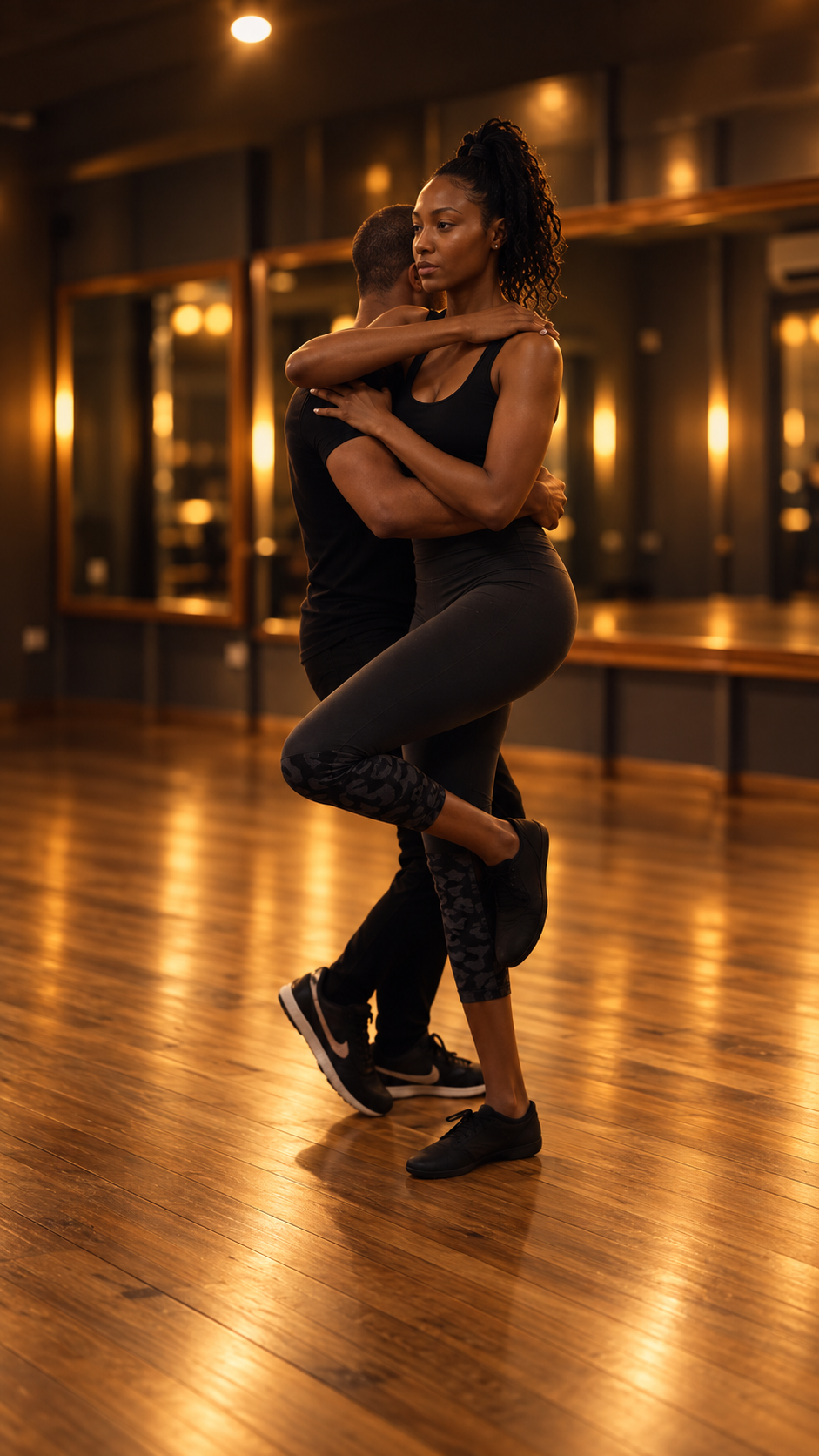
Musical Awareness.
Kizomba is danced to music, so the music should influence the way the dance develops.
Different moments in a song can invite different energy, pacing and movement choices.
A dancer does not need to understand everything about musicality immediately.
But learning to become aware of what is happening in the music is an important part of development.
The music should inform the dance.
Adaptability.
No two partners move exactly the same way.
No two instructors teach exactly the same way.
No two dance environments feel exactly the same.
A dancer who understands the foundations is better equipped to adjust when something changes.
Understanding creates options.
Adaptability is one of the things that allows a dancer to feel comfortable beyond one partner, one class or one local dance floor.
These ideas are not isolated.
Timing affects movement.
Weight transfer affects balance.
Balance affects connection.
Connection affects lead and follow.
Musical awareness affects how movement is expressed.
And all of them contribute to the quality of the dance.
The foundations work together.
Knowing that timing matters is one thing.
Learning how to control it consistently is another.
Knowing that connection matters is one thing.
Learning how to create it with different partners is another.
Knowing that posture, balance and weight transfer matter is useful.
Learning how to apply them naturally requires practice, correction and guidance.
Awareness is the beginning. Application is where training starts.
The stronger the foundation, the more freedom a dancer eventually has.
More freedom to interpret.
More freedom to adapt.
More freedom to express.
More freedom to learn advanced movement without losing control.
Build understanding before complexity.
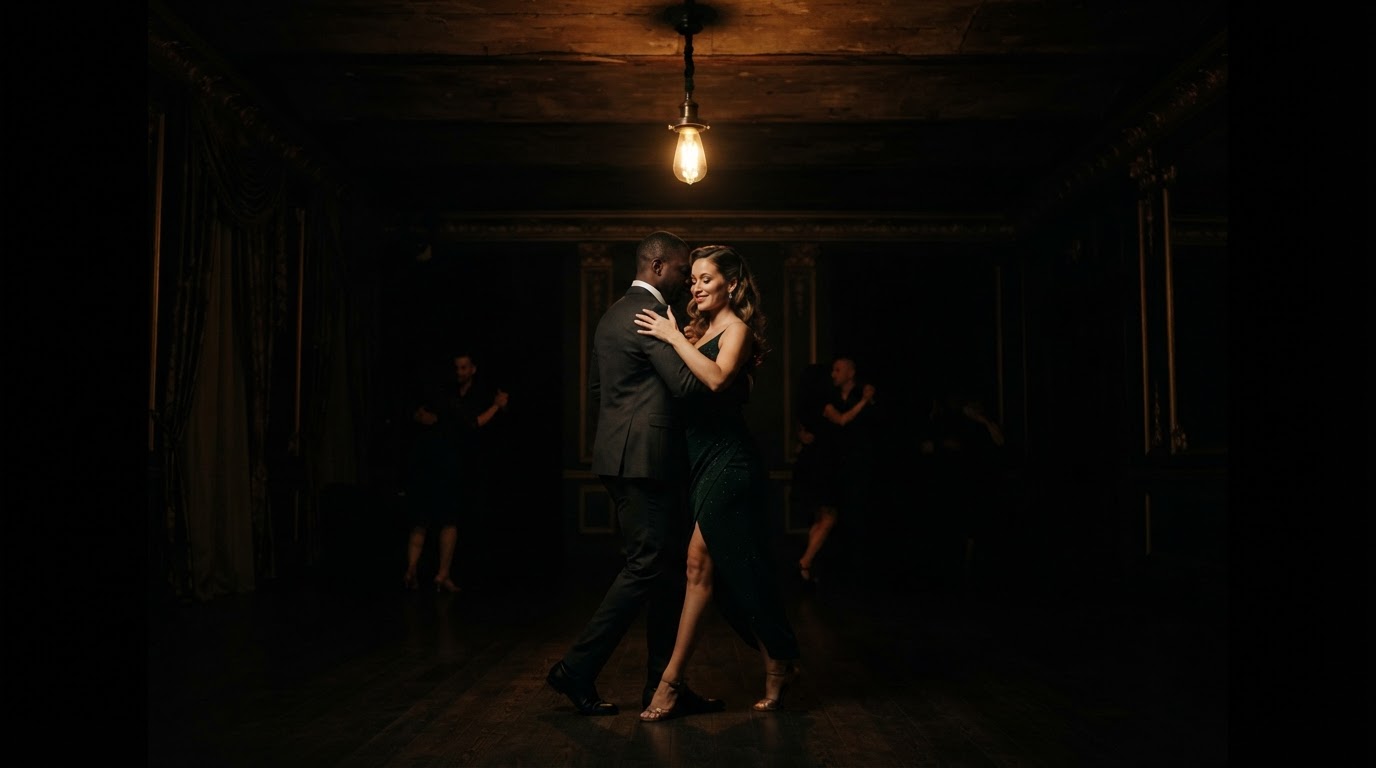
The more you understand the foundations, the more the dance begins to make sense.
Knowing what matters is the first step. Learning how to apply it is where real development begins.
© 2026 KIZBB · BRIDGETOWN, BARBADOS